 Business License

Fermented Soy Powder: A Versatile Superfood Revolutionizing Health and Sustainability
From Traditional Fermentation to Modern Applications—Unlocking the Power of Soy
In a world where plant-based diets and sustainable living are gaining momentum, fermented soy powder has emerged as a game-changer. This ancient ingredient, rooted in Asian culinary traditions, is now redefining modern nutrition with its wide-ranging applications and health benefits. From food manufacturing to dietary supplements, and from eco-friendly packaging to skincare, fermented soy powder is proving to be a true "superfood" for the 21st century.
1. A Nutritional Powerhouse: Health Benefits Redefined
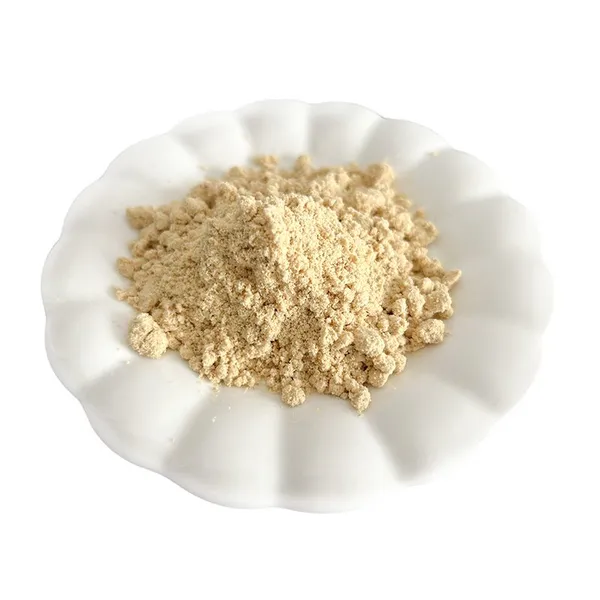
Fermented soy powder is a concentrated source of plant-based protein, fiber, and essential amino acids, making it a perfect addition to vegetarian, vegan, and flexitarian diets. Unlike raw soybeans, which contain anti-nutrients like phytates and trypsin inhibitors, the fermentation process breaks down these compounds, enhancing digestibility and nutrient absorption.
Key Advantages:
High Protein Content: With up to 40% protein by weight, it’s an excellent alternative to animal-based proteins.
Rich in Probiotics: The fermentation process introduces beneficial bacteria like Lactobacillus and Bifidobacterium, supporting gut health and boosting the immune system.
Low Glycemic Index: Ideal for diabetics, it helps regulate blood sugar levels.
Contains Isoflavones: These plant compounds have antioxidant properties and may reduce the risk of heart disease and certain cancers.
2. Versatile Applications: From Kitchen to Laboratory
The adaptability of fermented soy powder is its most striking feature. It can be seamlessly integrated into a variety of products, transcending traditional food boundaries.
Food Industry:
Baking and Cooking: Used as a flour substitute in bread, cakes, and noodles, it adds protein and a nutty flavor.
Beverages: Incorporated into plant-based milk, smoothies, and protein shakes for a creamy texture.
Meat Alternatives: A key ingredient in tofu, tempeh, and other plant-based meats, mimicking the taste and texture of animal products.
Non-Food Applications:
Cosmetics: Its antioxidant properties make it a popular ingredient in skincare products, helping to reduce inflammation and improve skin elasticity.
Pharmaceuticals: Used in dietary supplements and probiotic formulations to support digestive health.
Sustainable Packaging: Fermented soy powder can be processed into biodegradable films, offering an eco-friendly alternative to plastic.
3. Sustainable Production: A Green Solution
In an era of climate change and resource scarcity, fermented soy powder stands out as a sustainable choice. The production process requires minimal water and energy, and the fermentation method reduces waste by utilizing the entire soybean.
Eco-Friendly Benefits:
Low Carbon Footprint: Compared to animal-based proteins, soy fermentation emits significantly fewer greenhouse gases.
Water Efficiency: Fermentation uses less water than traditional soy processing methods.
Waste Reduction: The by-products of fermentation, such as soy pulp, can be repurposed as animal feed or compost.
4. Market Growth: A Global Trend
The global demand for fermented soy powder is on the rise, driven by increasing awareness of plant-based diets and sustainable living. According to a recent report, the market size for fermented soy products is expected to reach $12 billion by 2025, with a compound annual growth rate (CAGR) of 8.5%.
Industry Insights:
Asia-Pacific Dominance: China, Japan, and South Korea are leading producers, with a rich history of soy fermentation.
Western Adoption: The U.S. and Europe are seeing rapid growth in demand, particularly for organic and non-GMO varieties.
Innovation in Processing: Advanced fermentation techniques, such as solid-state fermentation and submerged fermentation, are improving product quality and consistency.
5. Future Prospects: A Holistic Approach
As the world grapples with food security and environmental challenges, fermented soy powder offers a holistic solution. Its ability to provide nutrition, support sustainable production, and reduce waste makes it a cornerstone of the future food system.
Expert Opinion:
Dr. Emily Chen, a food scientist at the University of California, notes, "Fermented soy powder is not just a food ingredient—it’s a bridge between tradition and innovation. By harnessing the power of fermentation, we can create products that are not only healthy but also kind to the planet."
Conclusion:
Fermented soy powder is more than a trend; it’s a revolution in food science and sustainability. With its nutritional benefits, versatile applications, and eco-friendly production, it’s poised to play a pivotal role in the global shift toward plant-based diets. As consumers and industries alike embrace this superfood, the future of food looks brighter than ever.
Recently Posted
-
High Protein, Zero Additives: What Nutritional Miracle Emerges When Chinese Soybeans Meet Italian Cr
August 14, 2026A leading Chinese food exporter specializing in plant-based pasta products has launched a new line of soy-based Italian pasta, com Read More
 -
Can Your Current Soya Ingredient Supplier Deliver Both High Efficiency and Full Traceability?
July 13, 2026LeadA leading Chinese food ingredient exporter has officially launched its new line of organic steamed soya powder, targeting glob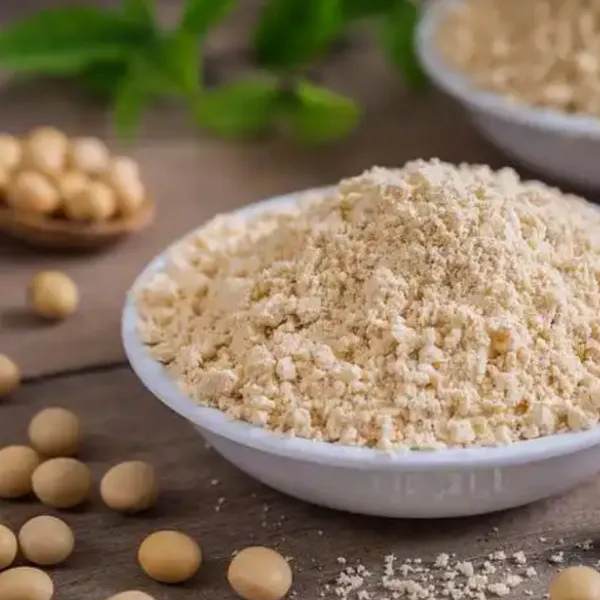 Read More
 -
The Advanced Journey of an Apple: From "Rock Sugar Core" in the Orchard to Concentrated Juice in the
July 1, 2026LeadIn the sunlit apple orchards of Shandong, a single organically grown "rock sugar core" Fuji apple embarks on a Read More
 -
Company News From North America to Southeast Asia: China’s Apple Juice Export Map Restructuring in
June 26, 2026In 2026, China’s export sector is undergoing a landmark structural shift. As traditional North American and EU markets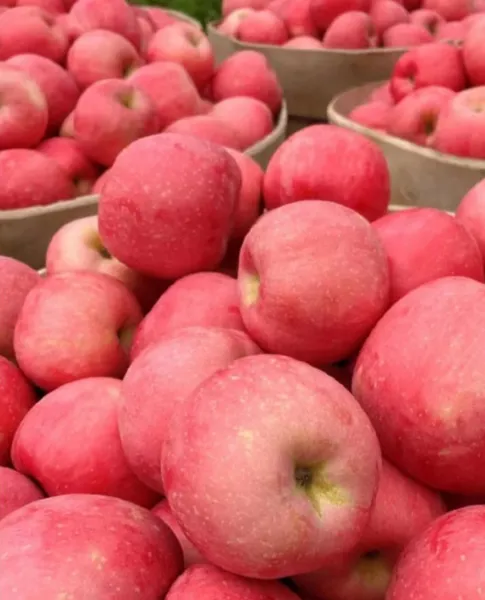 Read More

Contact Us
Recommended Products
-
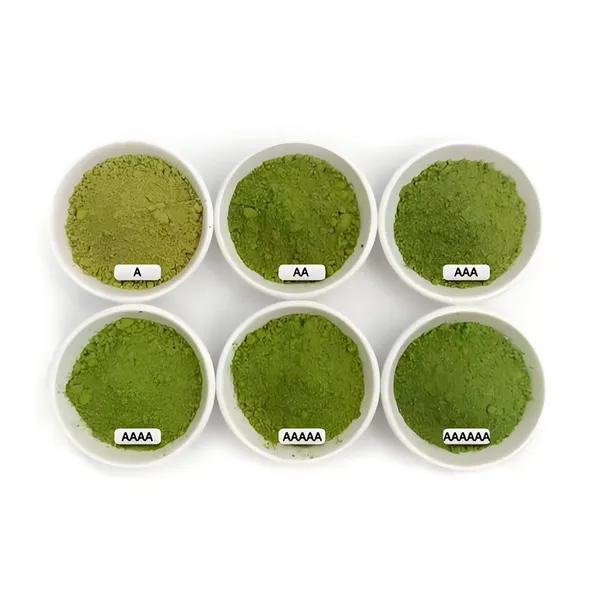
 Health Tea Slimming Tea Culinary Grade Matcha Powder Bulk Pure Natural Green Tea Powder Baking Ice Cream Confectionery FoodNegotiableMOQ: 200 Bags
 -
Organic Tomato PasteNegotiableMOQ: 200 Barrels
-
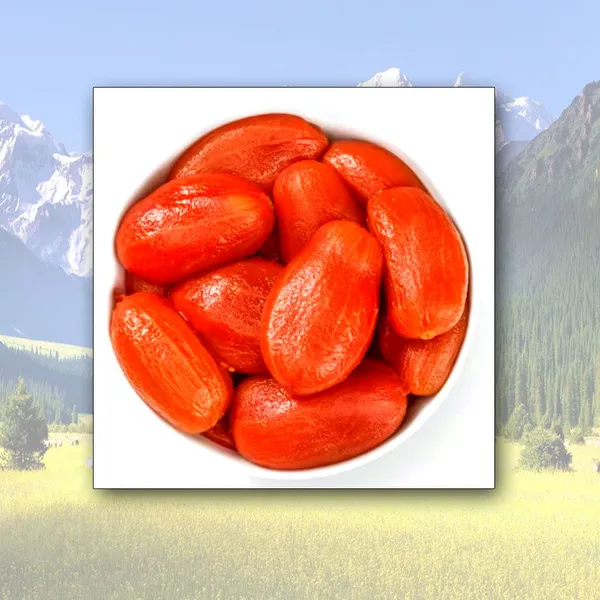
Canned Whole Peeled TomatoesNegotiableMOQ: 200 Cartons
-
Organic Wild Sea Buckthorn Puree 100% Natural NFC Seabuckthorn Fruit Pulp Aseptic Frozen for Beverage and Food IndustryUS$ 2000 - 3000MOQ: 200 Barrels
-
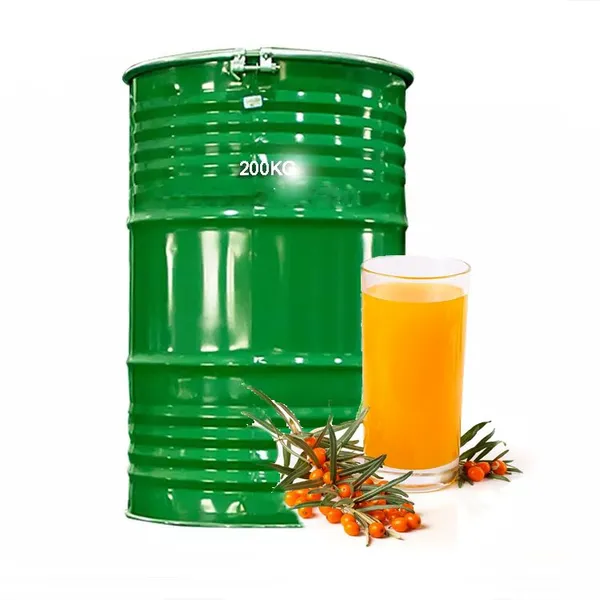
Natural Hawthorn Juice Concentrate Bulk Hawberry Juice Raw Material for Healthy Beverages and Digestive DrinksUS$ 1500 - 1700MOQ: 20 Barrels

-
High Quality Comprehensive Fruit and Vegetable Mixed Vegetable Fruit Additive Free Daily Consumption Healthy SnacksUS$ 5 - 50MOQ: 200 Bags
-
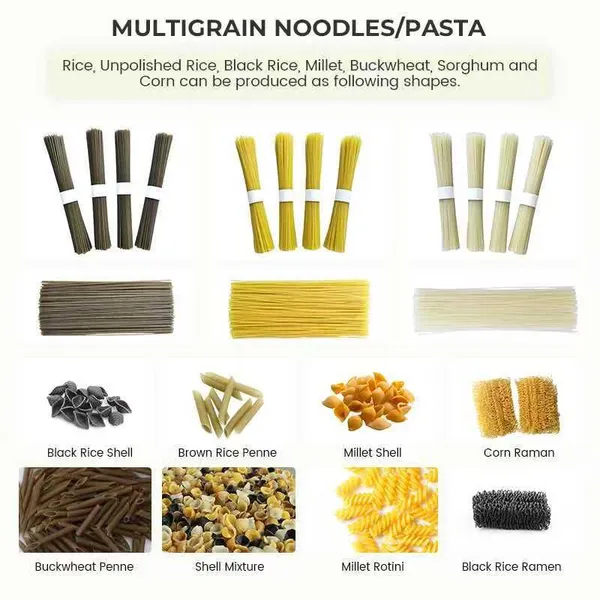
Organic High Protein Soy Noodles Low Carb Soybean Pasta Gluten Free Vegan Spaghetti for Healthy DietUS$ 0.11MOQ: 200 Cartons
-
Pure Natural Flavor Bulk Tomato Paste Without Additives Factory Direct Sales Competitive PriceUS$ 5 - 15MOQ: 200 Barrels
-
Premium Quality Canned Fresh Diced Tomatoes Suitable for Cooking Sauces Soups and Daily MealsUS$ 4.5 - 15MOQ: 200 Cartons
-
Wholesale Vegetarian Protein Textured Steak Made From Non GMO Soy TVP Textured Plant ProteinUS$ 2 - 2.4MOQ: 200 Bags
-
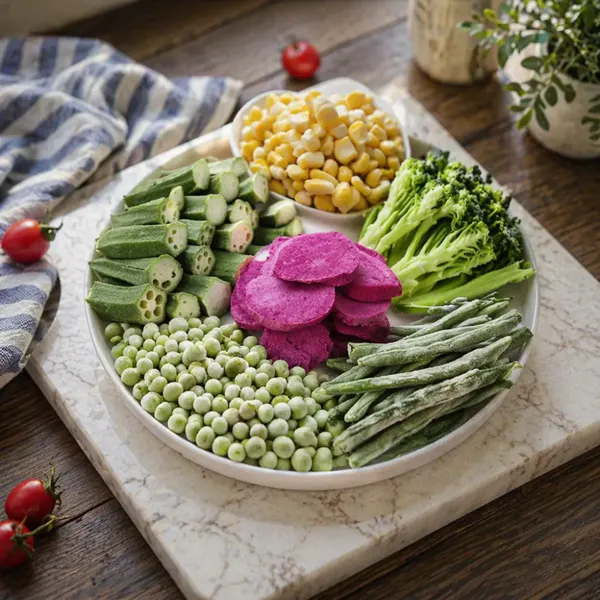
FD/AD Fruits and VegetablesUS$ 5 - 50MOQ: 10 Kilograms
-
Wholesale Safe and Healthy Soy Beans Powder Supplies Rich Various Nutrients and Proteins From ChinaUS$ 2 - 5MOQ: 20 Bags
-
High Quality Non Genetically Modified Organized Soy Protein Vegetable Protein Soya Fiber Protein High Protein ContentUS$ 2 - 2.4MOQ: 200 Kilograms
-
Canned Diced Tomatoes Canned Diced TomatoNegotiableMOQ: 200 Cartons
-
Tomato Powder/Lycopene PowderNegotiableMOQ: 200 Barrels