 Business License

China’s Tofu: A Global Powerhouse of Nutrition and Production
A Staple with a 2,000-Year Legacy
Tofu, a humble yet versatile food, has been a cornerstone of Chinese cuisine for over 2000 years, with its origins traced back to the Western Han Dynasty . Legend attributes its invention to Liu An, the King of Huainan, in what is now Anhui Province . Today, this ancient food has transcended cultural boundaries to become a global favorite, and China stands at the forefront of its production and innovation.
Unrivaled Production and Sales Dominance
China’s tofu industry is a behemoth, accounting for 60% of the world’s total tofu production . In 2024 alone, the industry’s revenue reached an impressive $38.2 billion, marking a 7.1% year-on-year growth . This remarkable achievement is driven by surging domestic demand, fueled by a growing focus on healthy eating, and a robust export market. In fact, 80% of the dried tofu and tofu skin raw materials found in supermarkets in Japan and Korea bear the “Made in China” label .
Shandong Province, a major agricultural hub in China, plays a pivotal role in the industry’s success. Its abundant soybean supply and strategic geographical location make it an ideal base for both domestic production and international trade . The industry’s growth is also evident in the diverse range of products available, from traditional soft and firm tofu to innovative offerings like frozen tofu (Kori-tofu) and fermented tofu .
Nutritional Powerhouse: A Health-Conscious Choice
Beyond its economic significance, tofu is celebrated for its exceptional nutritional profile. It is a rich source of high-quality plant protein, containing all eight essential amino acids required by the human body ^. This makes it an excellent protein alternative for vegetarians, vegans, and anyone looking to reduce their meat consumption .
Tofu is also packed with essential minerals such as calcium, iron, manganese, and selenium, as well as vitamins like B1 ^. Its health benefits are extensive: regular consumption can help lower LDL (bad) cholesterol levels, reducing the risk of heart disease ^. A 2020 study found that people who ate one serving of tofu per week had an 18% lower risk of heart disease compared to those who didn’t . Additionally, tofu contains isoflavones, plant compounds with antioxidant, anti-inflammatory, and potential anti-cancer properties ^. These compounds may also help regulate estrogen levels, providing relief for menopausal symptoms ^.
Innovations and Sustainable Practices
Chinese tofu producers are not resting on their laurels; they are continuously innovating to meet evolving consumer demands and promote sustainability. For instance, some companies have implemented “side-stream recycling systems,” transforming soybean dregs into pet food, creating additional revenue streams while reducing waste . Others are exploring the use of organic soybeans to produce premium tofu products, catering to health-conscious consumers willing to pay a premium .
The industry is also embracing technology to improve efficiency and product quality. Modern production lines have increased output while maintaining traditional craftsmanship, ensuring that tofu remains accessible to consumers worldwide . Furthermore, the entire soybean industry chain in China is a model of sustainability, with every part of the soybean utilized – from tofu and soy milk to animal feed and even beauty products .
A Global Favorite with Endless Potential
As the world becomes more health-conscious and environmentally aware, tofu’s popularity shows no signs of waning. China’s tofu industry, with its rich heritage, unrivaled production capacity, and commitment to innovation, is well-positioned to lead the global market. Whether enjoyed in a simple stir-fry, a creamy soup, or a decadent dessert, tofu continues to prove that it is much more than just a meat substitute – it is a nutritional powerhouse and a symbol of China’s culinary and economic prowess.
Recently Posted
-
High Protein, Zero Additives: What Nutritional Miracle Emerges When Chinese Soybeans Meet Italian Cr
August 14, 2026A leading Chinese food exporter specializing in plant-based pasta products has launched a new line of soy-based Italian pasta, com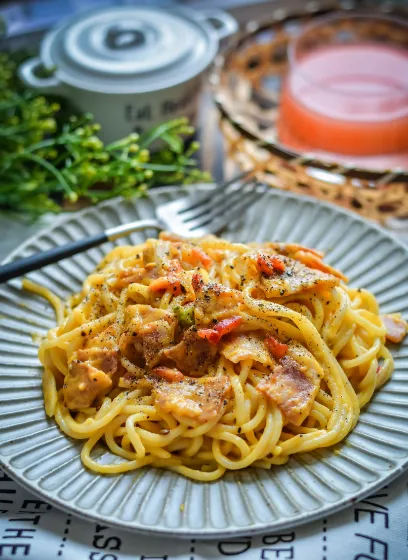 Read More
 -
Can Your Current Soya Ingredient Supplier Deliver Both High Efficiency and Full Traceability?
July 13, 2026LeadA leading Chinese food ingredient exporter has officially launched its new line of organic steamed soya powder, targeting glob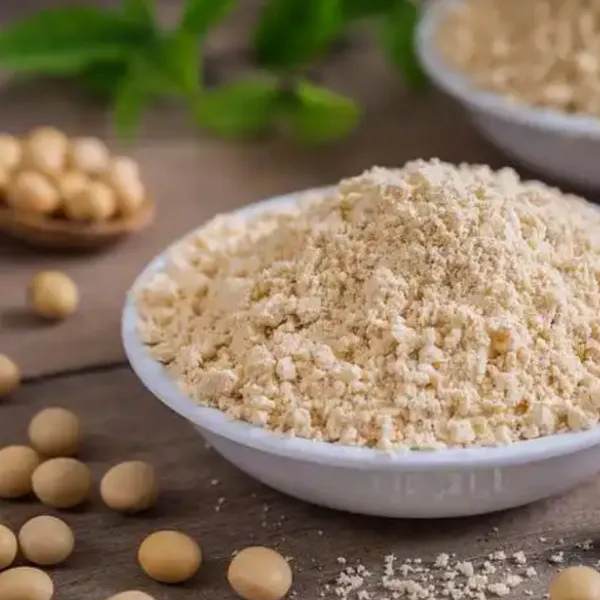 Read More
 -
The Advanced Journey of an Apple: From "Rock Sugar Core" in the Orchard to Concentrated Juice in the
July 1, 2026LeadIn the sunlit apple orchards of Shandong, a single organically grown "rock sugar core" Fuji apple embarks on a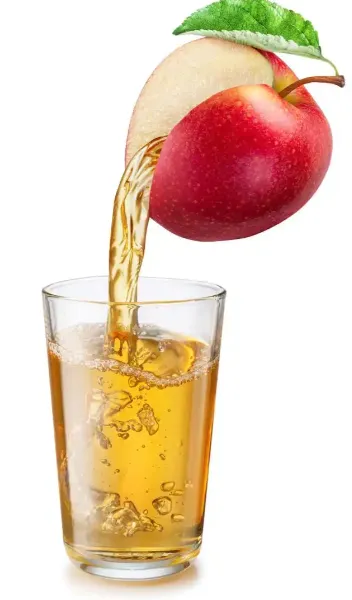 Read More
 -
Company News From North America to Southeast Asia: China’s Apple Juice Export Map Restructuring in
June 26, 2026In 2026, China’s export sector is undergoing a landmark structural shift. As traditional North American and EU markets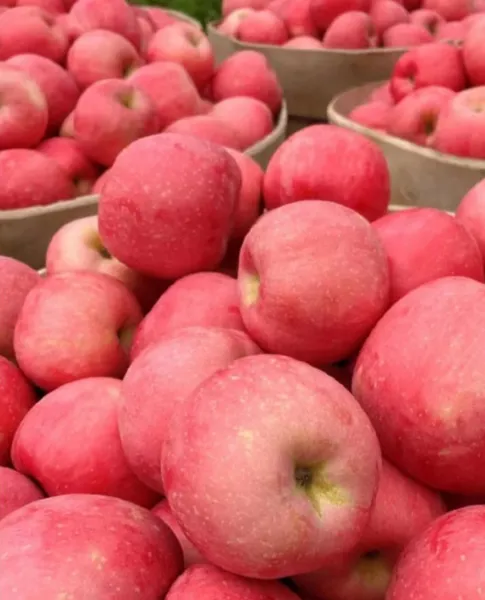 Read More

Contact Us
Recommended Products
-
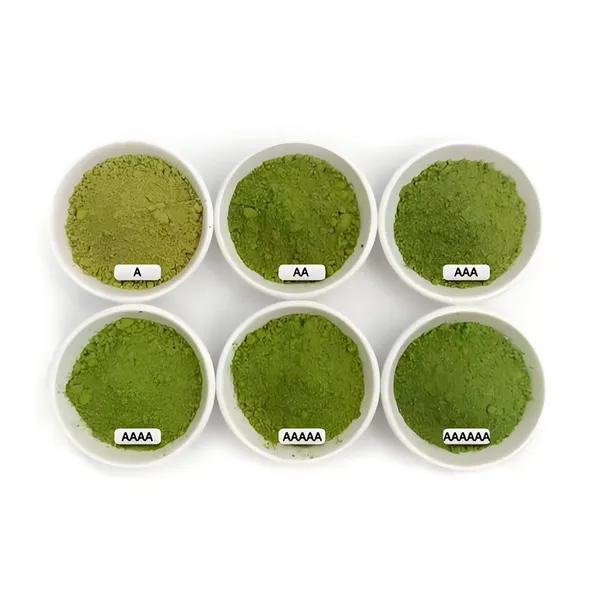
 Health Tea Slimming Tea Culinary Grade Matcha Powder Bulk Pure Natural Green Tea Powder Baking Ice Cream Confectionery FoodNegotiableMOQ: 200 Bags
 -
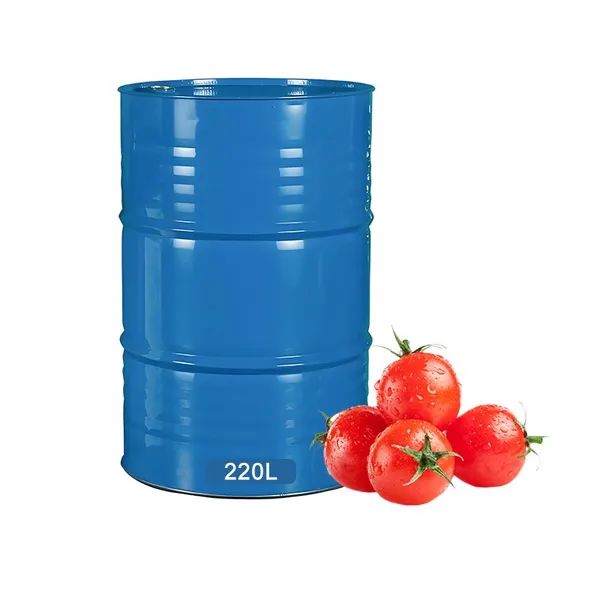
Organic Tomato PasteNegotiableMOQ: 200 Barrels
-
Canned Whole Peeled TomatoesNegotiableMOQ: 200 Cartons
-
Organic Wild Sea Buckthorn Puree 100% Natural NFC Seabuckthorn Fruit Pulp Aseptic Frozen for Beverage and Food IndustryUS$ 2000 - 3000MOQ: 200 Barrels
-
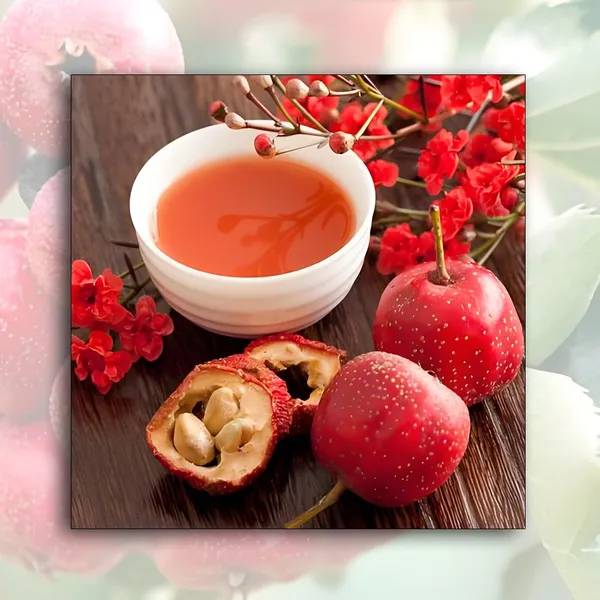
Natural Hawthorn Juice Concentrate Bulk Hawberry Juice Raw Material for Healthy Beverages and Digestive DrinksUS$ 1500 - 1700MOQ: 20 Barrels
-
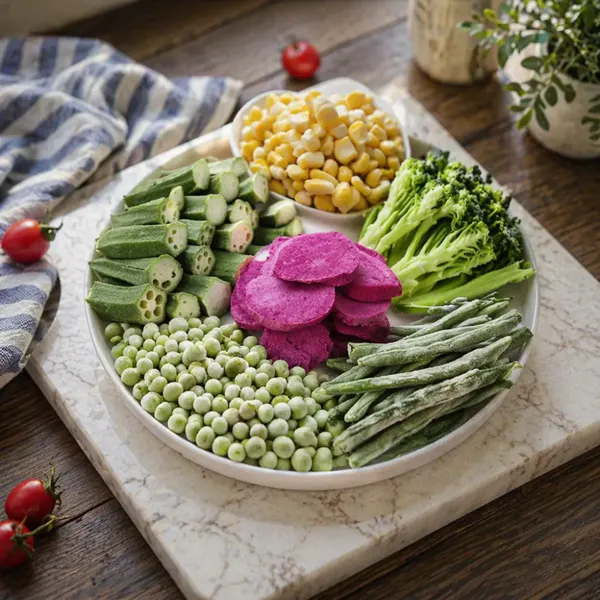
High Quality Comprehensive Fruit and Vegetable Mixed Vegetable Fruit Additive Free Daily Consumption Healthy SnacksUS$ 5 - 50MOQ: 200 Bags
-
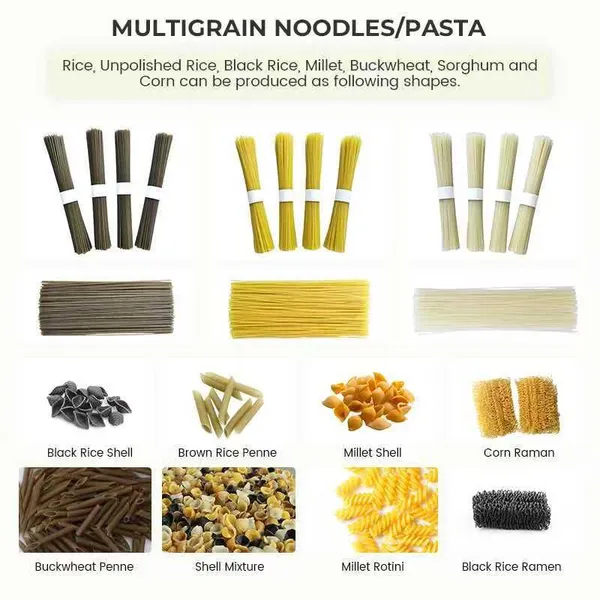
Organic High Protein Soy Noodles Low Carb Soybean Pasta Gluten Free Vegan Spaghetti for Healthy DietUS$ 0.11MOQ: 200 Cartons
-
Pure Natural Flavor Bulk Tomato Paste Without Additives Factory Direct Sales Competitive PriceUS$ 5 - 15MOQ: 200 Barrels
-
Premium Quality Canned Fresh Diced Tomatoes Suitable for Cooking Sauces Soups and Daily MealsUS$ 4.5 - 15MOQ: 200 Cartons
-
Wholesale Vegetarian Protein Textured Steak Made From Non GMO Soy TVP Textured Plant ProteinUS$ 2 - 2.4MOQ: 200 Bags
-
FD/AD Fruits and VegetablesUS$ 5 - 50MOQ: 10 Kilograms
-
Wholesale Safe and Healthy Soy Beans Powder Supplies Rich Various Nutrients and Proteins From ChinaUS$ 2 - 5MOQ: 20 Bags
-
High Quality Non Genetically Modified Organized Soy Protein Vegetable Protein Soya Fiber Protein High Protein ContentUS$ 2 - 2.4MOQ: 200 Kilograms
-
Canned Diced Tomatoes Canned Diced TomatoNegotiableMOQ: 200 Cartons
-
Tomato Powder/Lycopene PowderNegotiableMOQ: 200 Barrels